

The Search for Proof Beneath the Surface: Part 1 — Becoming the Test Subject
Over the last several months, I have had the unusual experience of becoming both a student and a test subject.
As part of my role at MedX, I have spent countless hours learning about skin biology, evaluating technologies, reviewing research, and speaking with scientists, clinicians, researchers, and skincare experts. Along the way, I have also tested more products, treatments, devices, and protocols than I can remember.
My camera roll has become a collection of treatment photos, skin scans, product labels, progress pictures, and notes I probably thought were normal at the time. At this point, I suspect my friends and family have grown tired of hearing me talk about collagen and the extraordinary science that sits behind the skin.
What started as professional curiosity quickly became something more personal.
I have always been interested in skincare. Like many women, I have invested in products that promised brighter skin, smoother texture, improved hydration, or increased firmness. I have tried facials, laser treatments, microneedling, new routines, and more skincare trends than I can count, including the latest Korean skincare techniques that seem to take over my social feed weekly.
But what I had not spent much time thinking about was how we determine whether any of these interventions are actually working.
Not whether they look better in a photograph.
Not whether a marketing claim sounds convincing.
Not whether we want to believe we are seeing a difference.
How do we actually know?
The deeper I went into the world of skin health, the more I realized how difficult that question can be to answer.
The Moment I Started Looking Differently
The real turning point for me came when I decided to conduct my own small skin study using MedX’s legacy SIAmetrics software and the SIAscope.
At first, the goal was practical. I wanted to better understand the technology, the user experience, and the science behind the device. I realized I could not fully understand the promise of the technology from the outside. I needed to use it myself, on my own skin, and see what it could actually show me over time.
Around this time, I had already purchased a microneedling session but that I had not used. Instead of treating it like a one-off skincare appointment, I decided to turn it into a small personal study.
Before the treatment, I created a plan to establish a baseline. For the week leading up to the session, I scanned and documented my skin so I had something to compare against after the treatment. I wanted to understand not only whether I thought my skin looked different, but see for myself the technology that could show what was changing beneath the surface.
Like anyone, I could look in the mirror and decide whether I thought my skin looked better. I could take a before-and-after photo and convince myself that I was seeing improvement. But I wanted to know what the data could show me beyond what I could see.
So I started scanning.
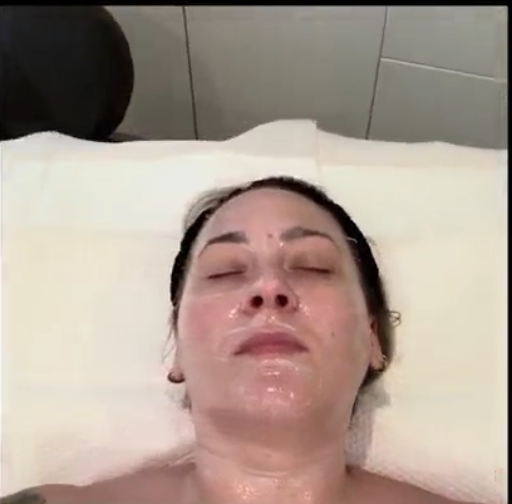
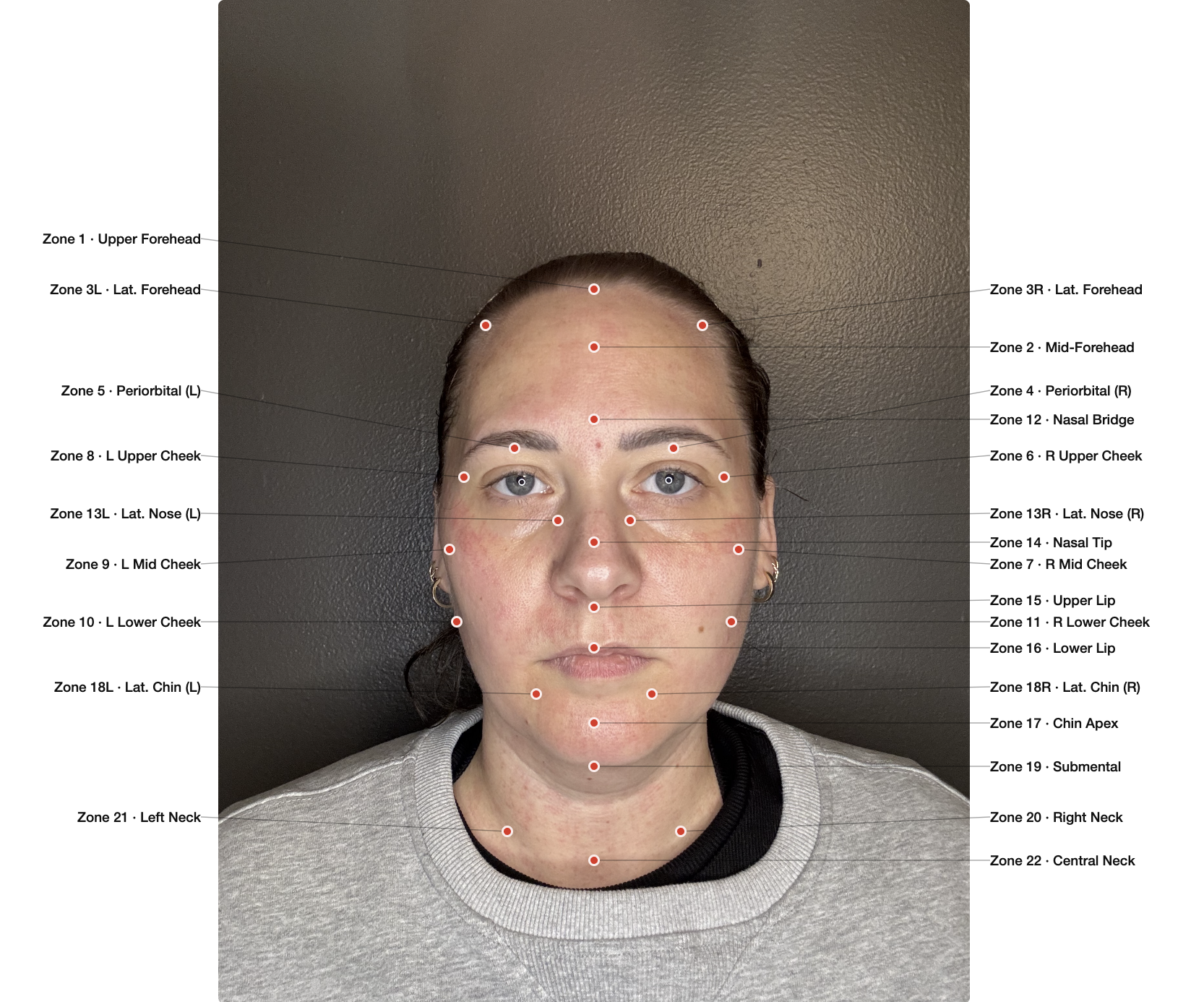
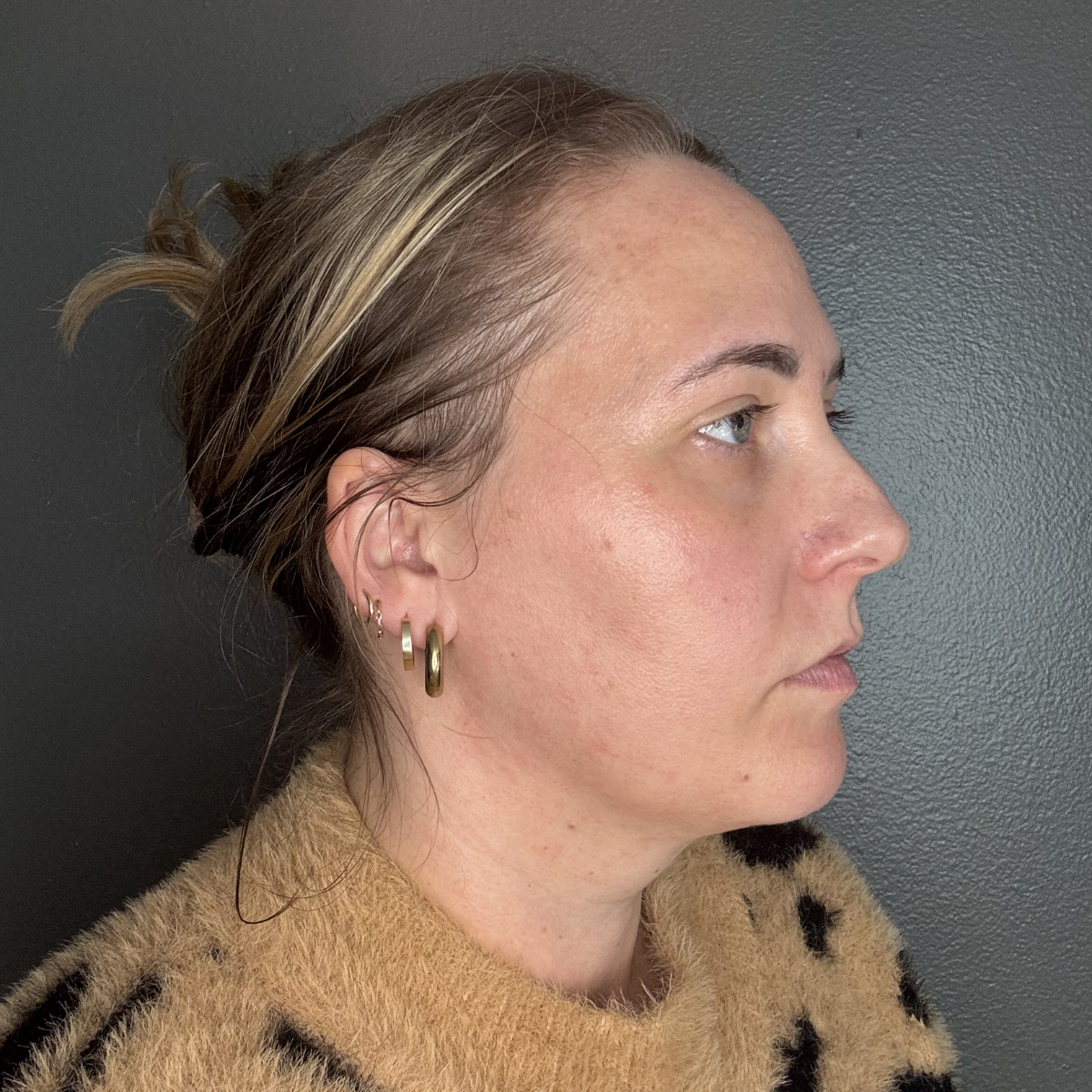
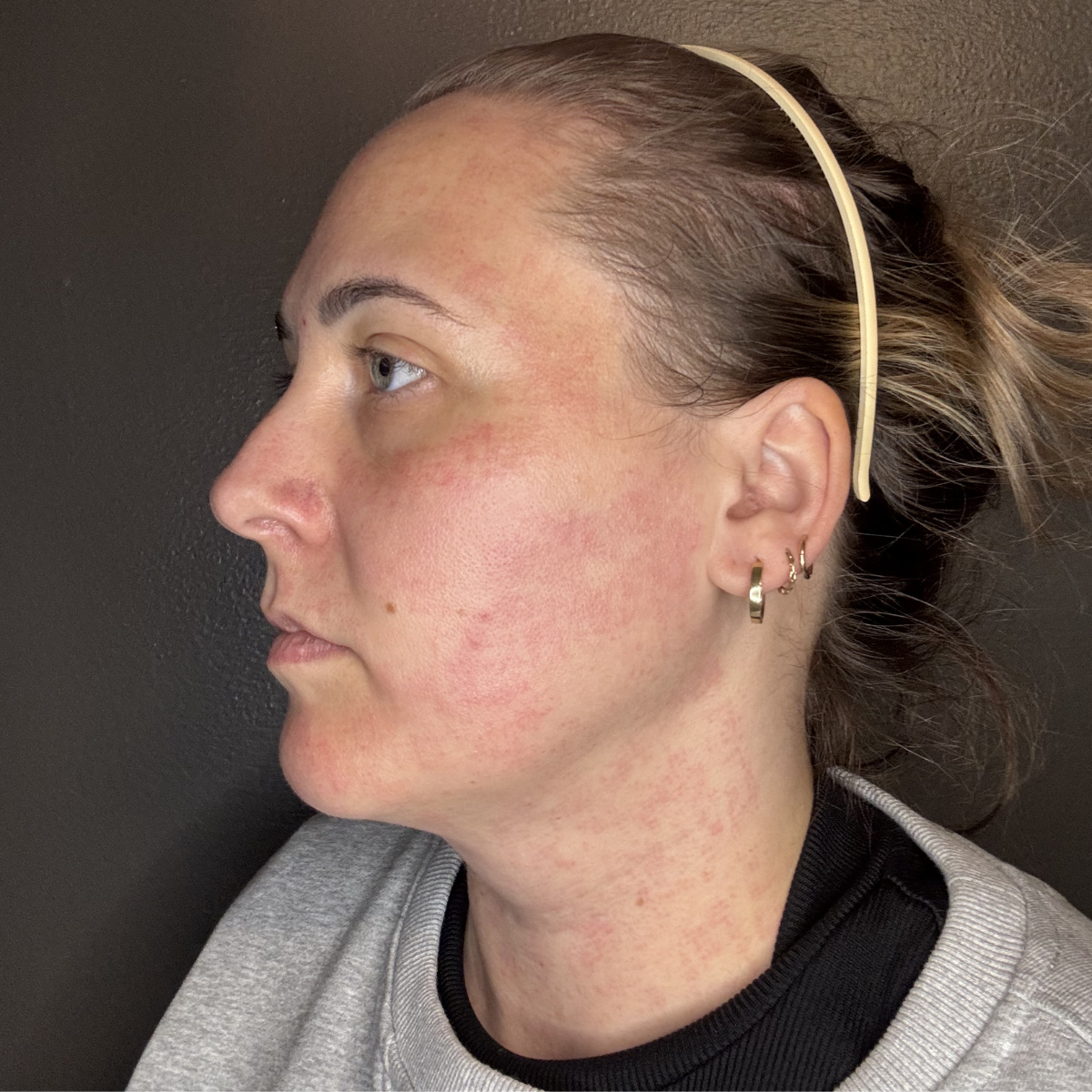
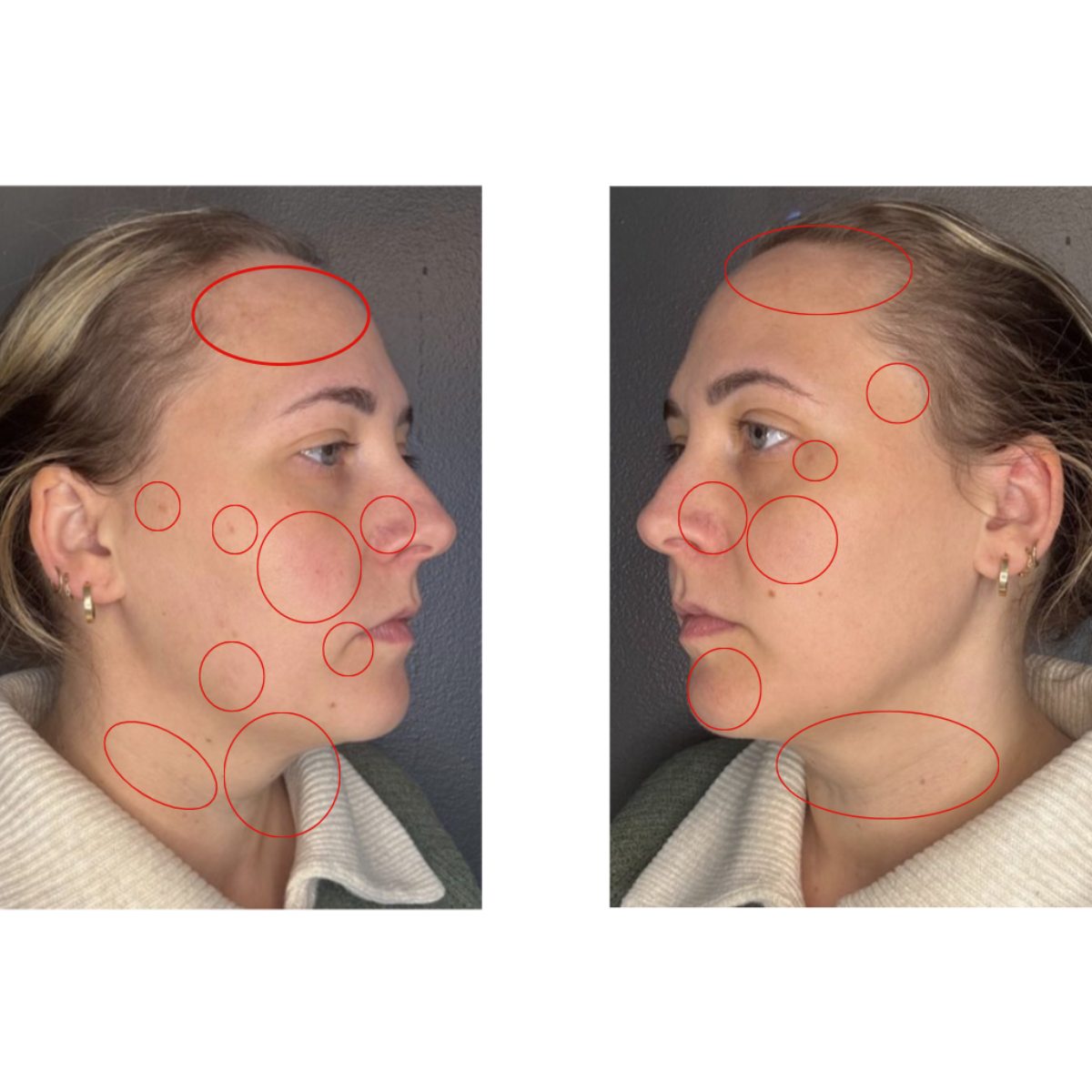
We live in a world of before-and-after photos. Entire industries have been built around visual transformation. Yet anyone who has ever tried to take a consistent photo of their own skin knows how quickly the variables add up.
Lighting changes. Angles change. Cameras change. Sleep changes. Diet changes. Hormones change. Hydration changes. Even our own perception changes depending on the day.
One day, a photo looks incredible. The next day, under different lighting, it looks completely different.
These are all real factors that can impact how skin appears. But as someone who naturally gravitates toward questioning, weighing outcomes, and building solutions, I found myself wanting something more objective.
I did not just want to know whether my skin looked different.I wanted to understand whether something measurable was happening beneath the surface.
When Curiosity Became an Obsession
At some point, what started as a work project became a personal mission.
My “quick test” turned into me measuring 24 different areas of my face consistently over seven weeks. I created a process. I tracked timing. I documented what products I was using. I noted treatments, photos, scans, and anything that could potentially influence the results.
It was not perfect science. It was not designed to be a formal clinical study. But it gave me something incredibly valuable: firsthand experience as a user trying to understand what skin data could tell me over time.
And I became completely hooked.
I started to understand the difference between seeing a change and measuring a change.
There were days when I looked in the mirror and felt like nothing meaningful was happening. There were other days when a photo looked better than I expected. But the most interesting part was not the photograph. It was the data.
That question stayed with me.
Will this actually impact my collagen?
How do we separate perception from biology?
How do we know whether a product, treatment, protocol, or intervention is creating a meaningful response?
The more I learned, the more I realized that researchers face the same challenge.
Clinical researchers, cosmetic scientists, product developers, dermatology teams, aesthetics companies, and wellness brands are all trying to answer a deceptively simple question:
Did the treatment actually work? Not just visually but biologically.
Looking Beneath the Surface
Over the course of those seven weeks, I stopped thinking exclusively about appearance and became increasingly interested in biology and understanding what was happening beneath the skin.
What struck me most was that some of the most meaningful changes are not always visible in the mirror.
That was especially true in my own experience. By the end of the seven weeks, I had collected a meaningful amount of skin data and had a much better understanding of both the promise of the technology and what users would need from it in the real world.
I also did not necessarily love every result when I looked directly in the mirror. That is the honest part. Skin is personal, and we are often our own harshest critics.
But when I looked at the data, I was excited.
The scans showed measurable change in my collagen over the course of the tracking period. That was the moment science became real.
It made me think differently about what MedX could become.
Because if we can help capture what is happening beneath the surface, we can begin to change how industries measure skin health.
Stay tuned, for part 2.